
Innovation in Heritage
2026 Review

Introduction
As Head of Innovation, over the last twelve months we have been particularly focused on the widespread, myriad potentials for AI to streamline, optimise and improve the reach of the work we do at Blenheim. This encapsulates all aspects of the business, from operations, visitor experience, but above all to our conservation and sustainability efforts. It is our goal to be seen as leaders in AI and digital innovation across the heritage sector and beyond.
2025 was a year of drastic transformation across the organisation, as we have begun our programme of AI implementation and adoption. Rather than a ‘quick fix’, this has been a long-scale undertaking of twelve months, of which we are in month six. It is aimed at building capability across teams and showing staff the potential of AI to empower them in their work. This programme has already reached hundreds of colleagues through training, internal communications and hands-on projects.
This has not been our only success this year. The SmartVMS platform has cemented its place in how we manage the estate, allowing for an improved data-driven approach to manage resources more effectively and tackle issues proactively rather than reactively. We are also nearing the end of our thoroughly successful collaboration with the CULTURATI project. Archie – our digital interactive AI-driven tour guide, modelled on deceased Blenheim staff member Archie Illingworth – will transform the way both local and foreign visitors interact with our estate.
Collaboration, and the exchange of funds and expertise, makes these and other initiatives possible. We are indebted to universities, industry partners and funding bodies for the support they have provided, and we will continue to cultivate these mutually beneficial relationships we have established.
Our goal is simple, and moves further within reach each day: a more intelligent estate where data, technology and people work together to protect Blenheim’s heritage while ensuring it remains resilient and relevant for the future.
David Green
2026 Review
Protecting Our Past, Pioneering Our Future


Summary
A defining theme of the 2025-26 year has been implementation and consolidation; that is to say, taking the projects and initiatives we have successfully incepted and continuing to embed and develop them further.
The clearest example of this is our AI implementation programme, where we have already spent several months conducting AI training across several formats ‘from the ground up’, assuming no baseline knowledge. Having made a success of this initial training, the programme will progress by embedding AI-driven strategies and paradigms into work processes, making it as seamless as possible for even the most sceptical or hesitant employees to pick up AI tools and run with them.
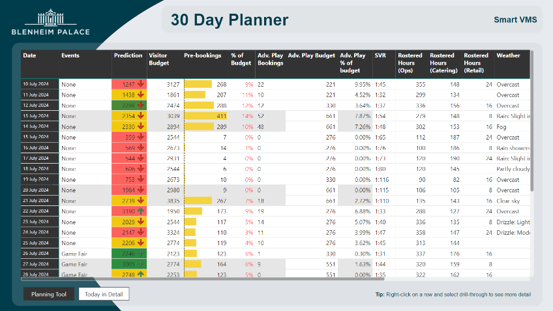
The Smart Visitor Management System (SmartVMS) has also continued to develop and deliver for us. The platform now integrates visitor data, forecasting models and operational metrics to support more precise workforce planning and operational management. In this way it enables managers to reduce unnecessary labour costs while maintaining service standards during peak periods. Automated alerts and forecasting tools are beginning to establish a more disciplined approach to staffing and operational planning.
Our ‘Smart Estate’ IoT sensor network is becoming more useful and practical in our efforts to optimise energy use. By integrating building management systems within the sensor network, we create a data foundation capable of to reducing estate-wide energy consumption. Real-time monitoring of utilities and environmental conditions will enable more precise control of heating, cooling and other building systems, which will be a key steppingstone on our progress towards our 2027 Net Zero commitments.
Our IoT sensors are also proving practically useful beyond the palace grounds. Weaveley Solar Farm continues to generate valuable biodiversity data in its second year. The project uses ecological monitoring and bioacoustic analysis to show how solar energy generation can coexist with – and improve – biodiversity. This methodology has the potential to inform best practice across the wider renewable energy sector.
The CULTURATI project has entered its final phase, exploring how AI can support more personalised and engaging heritage interpretation. Archie, the platform brought to life by the cloned voice of Archie Illingworth, guides visitors through Blenheim’s history with adaptive digital storytelling. There is still potential for it to develop further, either as a true app, or using features like object detection and augmented reality. Furthermore, our Digital Twin programme is also moving from concept to archetype, developing a virtual model of the estate that integrates asset records, operational data and predictive maintenance modelling.
Visitor safety and operational resilience have also benefited from new technology. The Anemometric Monitoring System, using ultrasonic wind sensors placed across the estate, now provides real-time wind analysis and predictive alerts. This gives us a clearer picture of how safe visitors may be outside in poor weather.
By embedding AI, live data and digital infrastructure into everyday operations, Blenheim is developing practical tools that support sustainability, operational resilience and long-term stewardship of this historic landscape. Furthermore, these efforts won’t come at a cost to visitor experience, but will actually work hand-in-hand to enhance it.
Smart Visitor Management
Aiding preservation and improving visitor experience through the lens of digital innovation

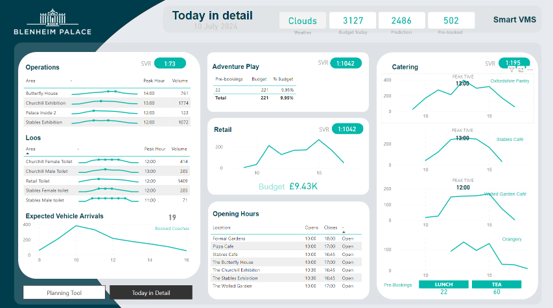
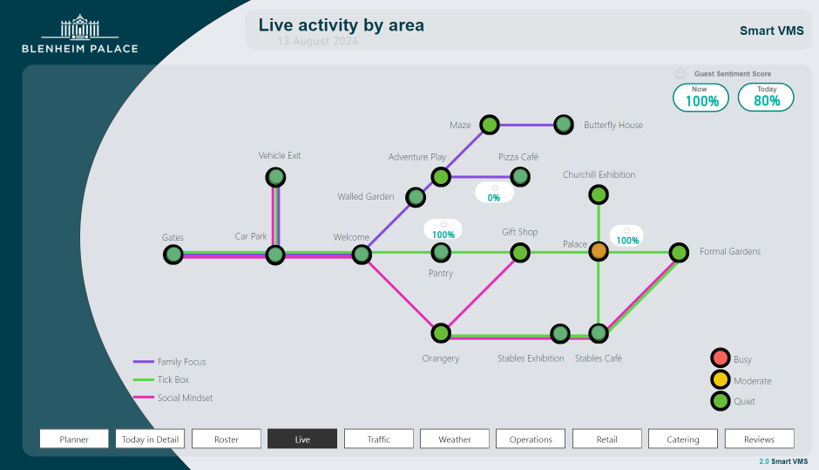
The continued evolution of the Smart Visitor Management System, delivered in collaboration with Innovate UK, UKRI and Oxford Brookes University, represents a step-change in our approach to site management. The platform now brings together visitor intelligence, predictive modelling and operational performance data within a unified architecture, enabling materially improved workforce planning, resource allocation and real-time operational decision-making.

The application of advanced predictive algorithms and machine learning has materially enhanced forecast accuracy, delivering an approximate 80% improvement over traditional approaches. This capability supports more informed resource allocation and operational planning. Real-time data is surfaced through integrated dashboards and a dedicated mobile interface, providing immediate visibility of visitor behaviour, asset utilisation and emerging operational pressures.
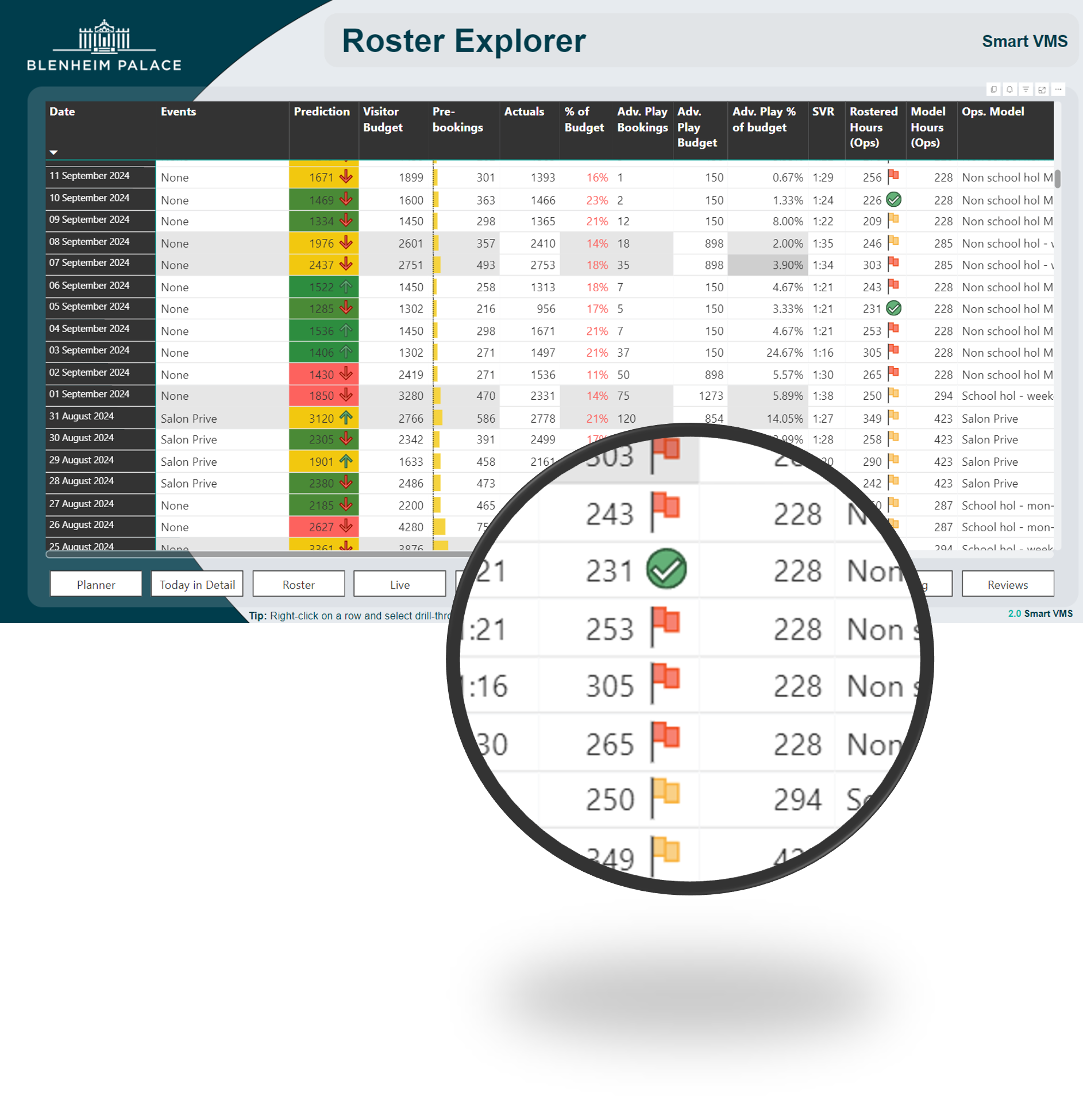
By systematically aligning staffing models with forecast demand, the platform enables tighter control of labour costs while sustaining service levels during peak periods. Automated alerts and forward-looking planning tools are embedding greater operational discipline, supporting more consistent and proactive workforce and site management.
Collectively, the Smart Visitor Management System establishes a scalable, data-centric operating capability across the estate. As data volumes, model maturity and organisational adoption continue to advance, this foundation will further strengthen our ability to derive insight, optimise performance and support strategic decision-making at scale.
"This KTP [has been] an excellent example of what can be achieved when you bring together a forward-thinking organisation, in this case Blenheim, and the deep expertise and academic rigour from Oxford Brookes University. The Smart Visitor Management System the team have jointly developed [is still] helping Blenheim work more efficiently while enhancing the experience of visitors to the Palace."




Weaveley Solar Farm
Biodiversity Monitoring at Weaveley Solar Farm


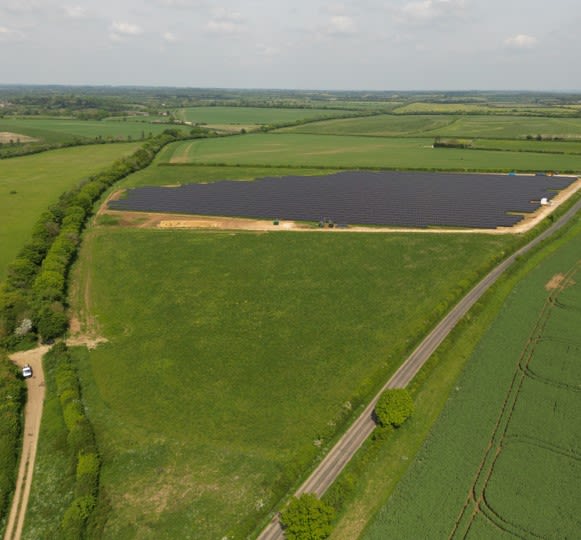
The biodiversity monitoring programme at Weaveley Solar Farm has entered its second year and continues to generate a robust body of empirical evidence. Leveraging IoT-enabled sensing, ecological surveying and bioacoustic analysis, the programme is demonstrating how renewable energy infrastructure can coexist with—and in some cases actively support—biodiversity. The emerging methodology is evolving into a practical, evidence-based framework with potential relevance for wider adoption across the renewable energy sector.
Findings to date indicate that the presence of solar infrastructure measurably influences local microclimatic conditions, including soil moisture, temperature and vegetation dynamics. The deployment of continuous, automated monitoring now provides high-resolution datasets across invertebrate, avian, bat and soil communities. This level of precision enables us to distinguish infrastructure-driven effects from natural environmental variability with a high degree of confidence.
The next phase will focus on extending longitudinal datasets to strengthen trend analysis and enhance predictive modelling capability. Parallel work will refine automated species identification, adaptive sampling methodologies and scalable monitoring protocols, with a view to replication across additional sites. These insights will also inform a more biodiversity-led approach to habitat management across the wider estate.
Collectively, the Weaveley programme demonstrates that continuous, automated biodiversity monitoring within solar environments is both operationally viable and scalable, without compromising energy generation objectives. It provides a credible model for integrating ecological performance into the design and management of renewable infrastructure, strengthening both conservation outcomes and long-term sustainability planning.


The programme initially concentrated on bird and bat bioacoustics, where the team has established efficient analytical methods for interpreting complex soundscapes. Building on this foundation, the work has progressed into the more technically challenging domain of soil ecoacoustics, extending acoustic monitoring below ground to capture previously inaccessible ecological signals.

Soil ecoacoustics provides a means of interrogating the acoustic environment of the soil and its relationship to underlying ecological processes. By analysing signals generated by soil fauna, plant systems and abiotic interactions, this approach offers a novel proxy for assessing soil health, biological activity and broader ecosystem dynamics.

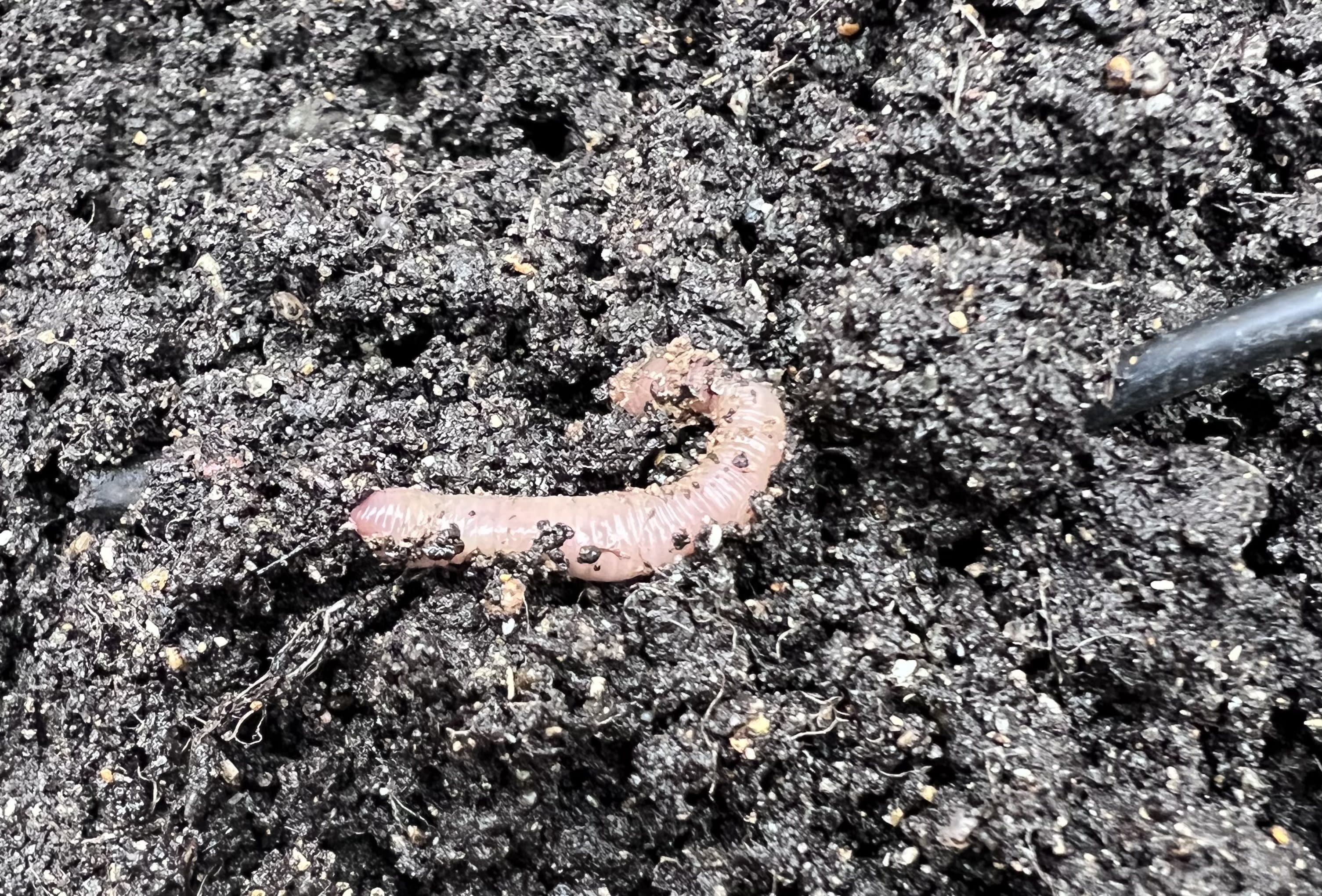
Proprietary signal-processing techniques have been developed to isolate biological activity from background noise within soil recordings, enabling the detection of subtle acoustic signatures associated with subterranean life. This capability is beginning to yield new, quantifiable insights into soil condition and biodiversity that are not readily accessible through conventional survey methods.
Current work is focused on advancing machine learning models capable of identifying and quantifying orthopteran species, such as grasshoppers and crickets, based on their acoustic signatures. This represents a further step towards scalable, automated biodiversity monitoring, enhancing both resolution and coverage across the estate.
"Blenheim's Innovation Team have taken an impressively forward-thinking approach to biodiversity monitoring. The measurement of biodiversity is challenging and often controversial and the methods chosen should be appropriate for the habitat under study. Unravelling the effects of habitat change on biodiversity from those effects driven by seasonal variations often results in conclusions with a larger degree of uncertainty than is desired. In a pioneering step away from traditional and intensive survey methods the Innovation Team have set out to develop a biodiversity monitoring plan for Weaveley using a mix of both conventional surveys of indicator species alongside long-term abundance-over-time methods.
Blenheim have committed to the traditional long term survey of ground beetles as site indicator species. Such indicator species have a local and restricted range and are wholly or partially dependent on the site and it’s habitat for most or all of their lifecycle. It is often the case that studies are far too short term to derive any really meaningful conclusions, but data spanning the 25-year lifetime of the Weaveley project would be extremely valuable.
What's particularly exciting is their pioneering work with automated recording methods so that there is a more continuous set of ecological and physical data which although will not give in-depth point samples of species composition, should reflect changes caused directly or indirectly by site management or seasonality.
Such automated biodiversity methods give an estimate of abundance-over-time and some estimate of species diversity and have been developed by the Innovation Team by combining traditional ecological understanding with our growing world of accurate digital sensors and remote technology. For example the use of bioacoustics to monitor soil and plant ‘health’ , the activity patterns and species composition of grasshoppers and crickets, birds and hopefully bats. Simple time-lapse cameras provide human and machine-readable images recording changes in solitary bee occupation and allied parasites using bee hotels, or the variety of macro and some micro moths attracted to light.
The Innovation Team have sought to avoid collecting sparse and difficult to analyse data, but are seeking to revolutionise how we monitor and collect data to understand ecosystem ‘health’ within a large-scale solar project. This challenging programme stands out for its pioneering approach and, supported by Blenheim’s long term commitment, should result in a step forward in automated biodiversity monitoring methods with the ultimate aim to promote biodiversity by driving change in management practices.”
Dr. Curt Lamberth
The broader monitoring framework integrates IoT sensing, imaging systems and bioacoustic data collection to track species abundance and behavioural patterns over time. Environmental context is provided through weather stations and soil instrumentation, enabling the separation of infrastructure-driven effects from natural seasonal variability. Methodologically, the programme prioritises longitudinal measures of species abundance over static diversity metrics, allowing for more meaningful detection of ecological change.

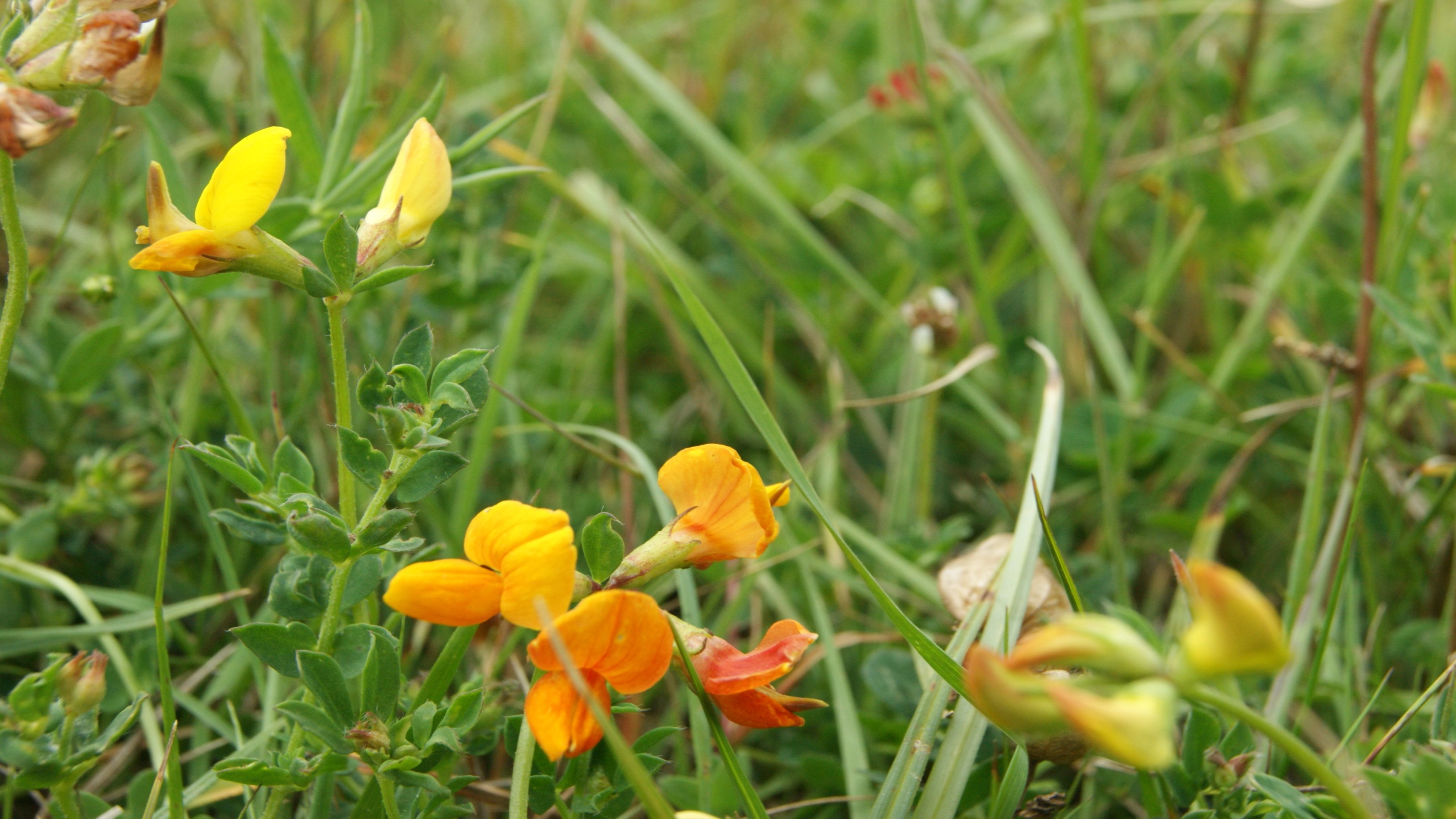
The programme includes:
- Environmental monitoring through weather stations and soil sensors
- Wildlife observation via smart bird and bat boxes
- Bioacoustic monitoring using Audio Moths for species identification
- Time-lapse photography for studying insect behaviour
- Biannual multispectral surveys of vegetation health
"This innovative monitoring strategy demonstrates how renewable energy projects can contribute to both clean energy production and biodiversity enhancement, setting new standards for sustainable development."


Alongside the technical programme, there has been a deliberate expansion into education and open data. This has included structured engagement with local schools, providing access to datasets and enabling students to build environmental sensors using shared codebases and methodologies, thereby extending both the reach and impact of the work.
The first annual report has consolidated these outputs, presenting findings on species abundance, soil condition and the interaction between solar infrastructure and biodiversity, establishing a baseline for ongoing longitudinal analysis.
AI IMPLEMENTATION STRATEGY
Giving employees the power to harness AI's potential


The AI Implementation Strategy has been deliberately structured to build organisational fluency in artificial intelligence before pursuing large-scale technical deployment. The initial focus has been on developing practical understanding—introducing widely accessible tools such as ChatGPT and demonstrating their application in day-to-day workflows. This approach prioritises confidence and capability-building as a precursor to more formalised implementation.
Delivery has centred on a combination of targeted workshops, team-based training and internal communications. Approximately 100 staff have participated in AI training, either through structured sessions or open access formats. This has been complemented by a 30-day email programme designed to reinforce learning, increase exposure to use cases and encourage hands-on experimentation.
Adoption is now becoming more embedded across the organisation, with current estimates indicating that approximately 42% of staff are using AI tools within their day-to-day roles. While many applications remain relatively simple, they are delivering incremental efficiencies and demonstrating the cumulative value of small, practical interventions.
The programme has intentionally emphasised learning and experimentation over rapid, top-down deployment, resulting in a measured pace of progress. Value is being assessed pragmatically rather than assumed; for example, the Marketing team is currently piloting AI-driven note-taking to determine its effectiveness prior to any broader rollout.
The next phase is transitioning towards more targeted implementation. Early use cases are beginning to demonstrate tangible impact, including an automated finance report delivering approximately five hours of time savings, an HR dashboard expected to save around six hours, and a Pye Homes initiative with potential to reduce workload by up to six days. In parallel, management capability is being developed through the PMP programme to ensure leaders are equipped to manage teams operating in increasingly AI-enabled environments.
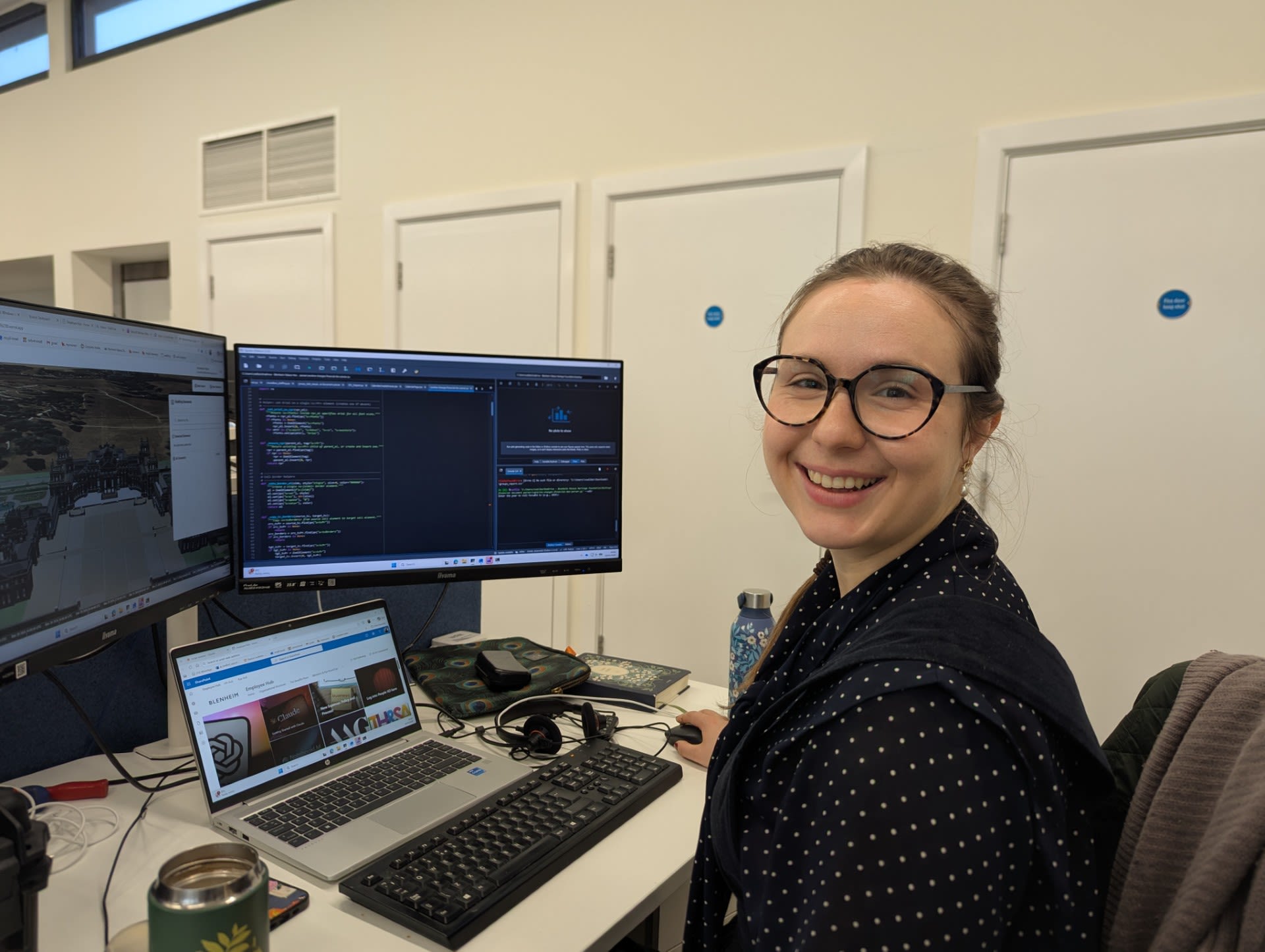
The most significant shift to date has been cultural. There is a growing expectation across teams to identify opportunities for efficiency and improvement through AI. This is evident in both incremental workflow enhancements and more innovative internal developments, such as the Tree and Fuel applications. Complementary work exploring the intersection of AI and mental health is also broadening the organisational perspective, ensuring that adoption is considered in terms of both productivity and its wider human impact.

CULTURATI
Breathing new life into old stories with AI

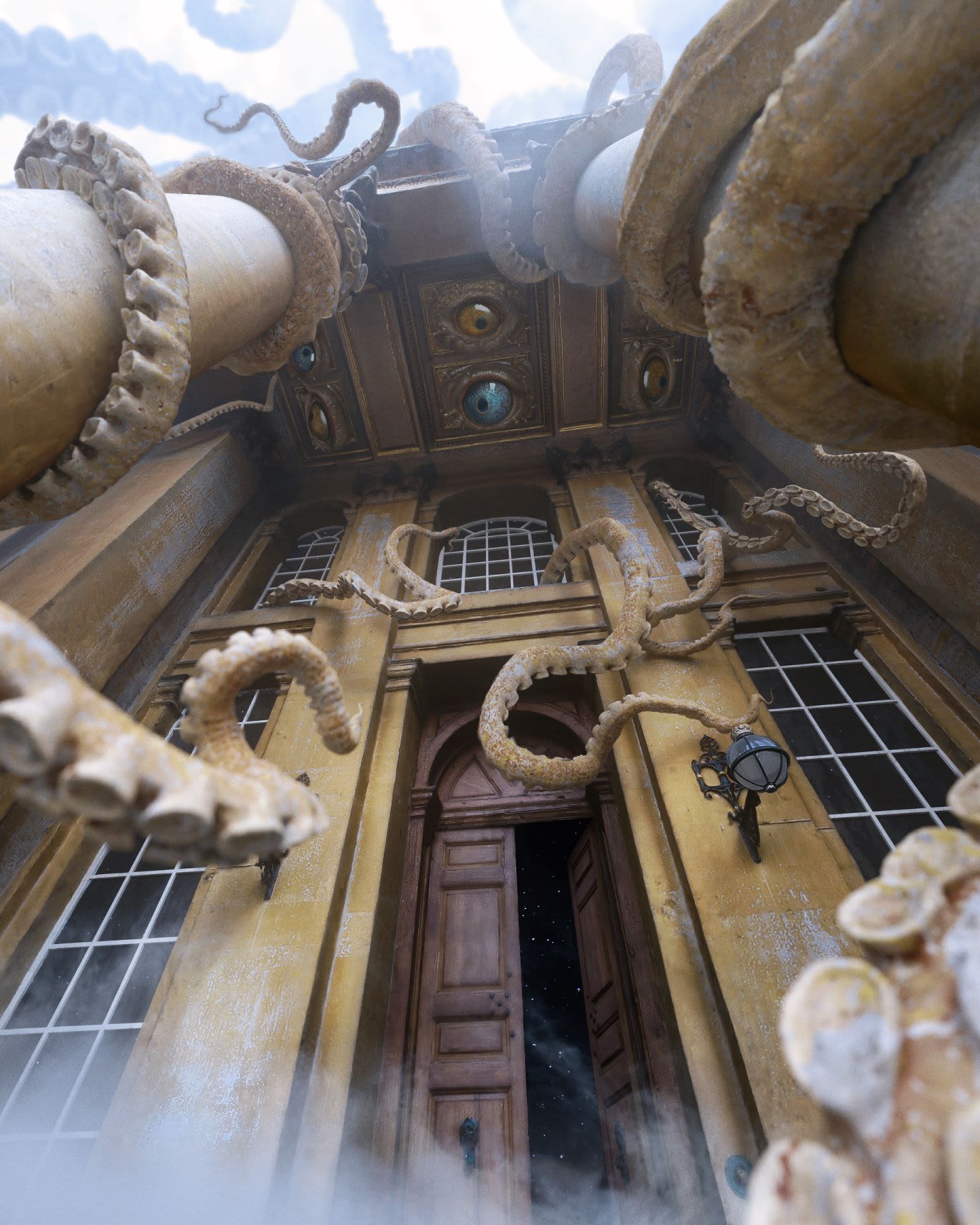
We are approaching the conclusion of our collaboration within the CULTURATI programme, a Horizon Europe–funded initiative that has materially advanced how visitors engage with Blenheim’s heritage. The resulting digital platform, incorporating a voice model based on former Palace Administrator Archie Illingworth, introduces a more personalised, narrative-led approach to interpretation, combining technical innovation with historically grounded storytelling.
Through this interface, visitors are able to navigate the Palace’s collections, architecture and social history in a more adaptive and individually relevant manner. The experience is designed to respond to differing interests and levels of prior knowledge, enabling a more self-directed and contextually rich engagement with the estate.
The programme concluded with a keynote event hosted at Blenheim in January 2026, coordinated by Bilkent University. The event brought together over 200 participants from across the consortium, representing partners from Italy, Finland, Spain, Germany, the United Kingdom and Türkiye.
This final milestone marked the completion of a three-year collaboration and the delivery of two fully developed prototype applications for AI-supported visitor experiences within the cultural heritage sector. The programme provides a substantive foundation for future development in personalised, technology-enabled interpretation across heritage and arts contexts.
"The Innovation Team at Blenheim Palace has been instrumental to the CULTURATI project's development. Their deep understanding of digital innovation, combined with their hands-on experience in visitor engagement, is shaping this platform into something truly transformative. Their expertise has been invaluable in ensuring we create not just another digital guide, but a meaningful platform that enhances how visitors connect with heritage culture."

Digital Twin
Preserving the Past, Embracing the Future

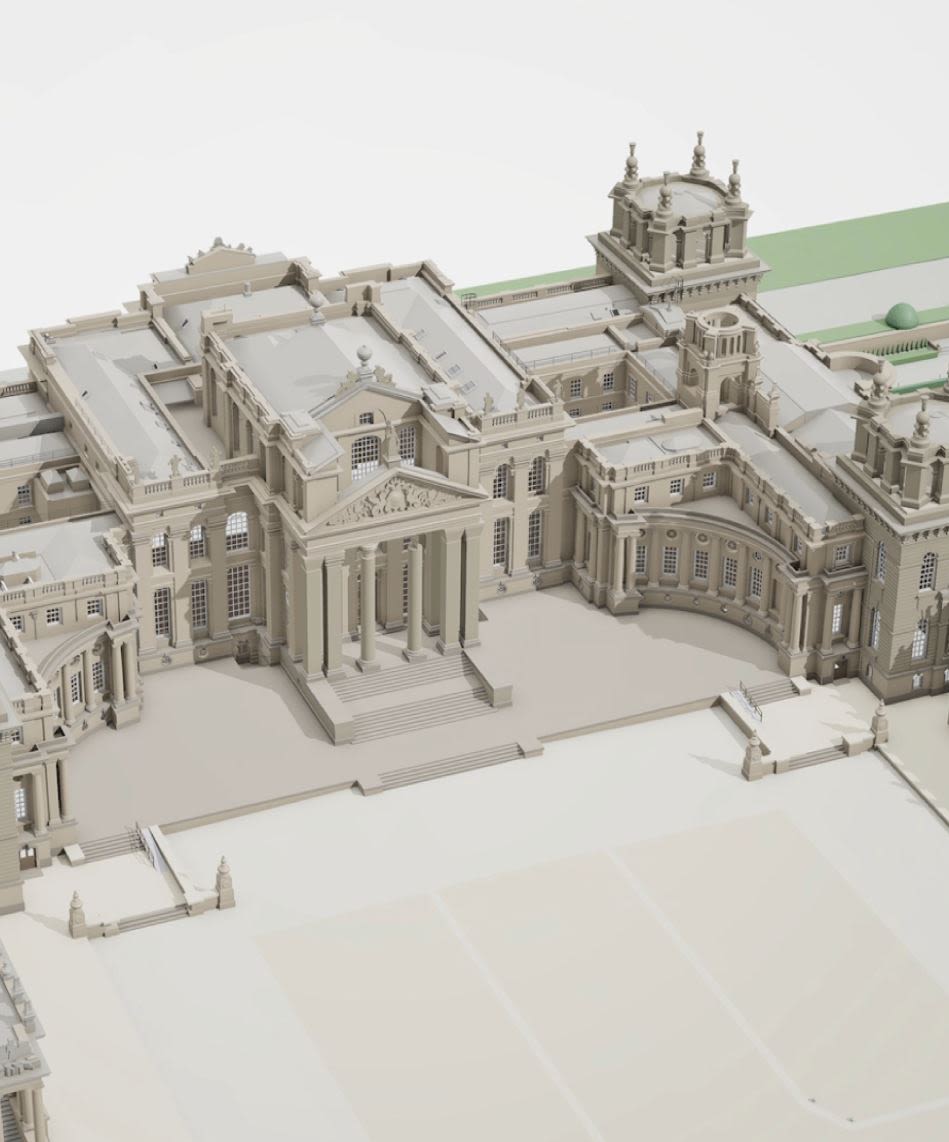
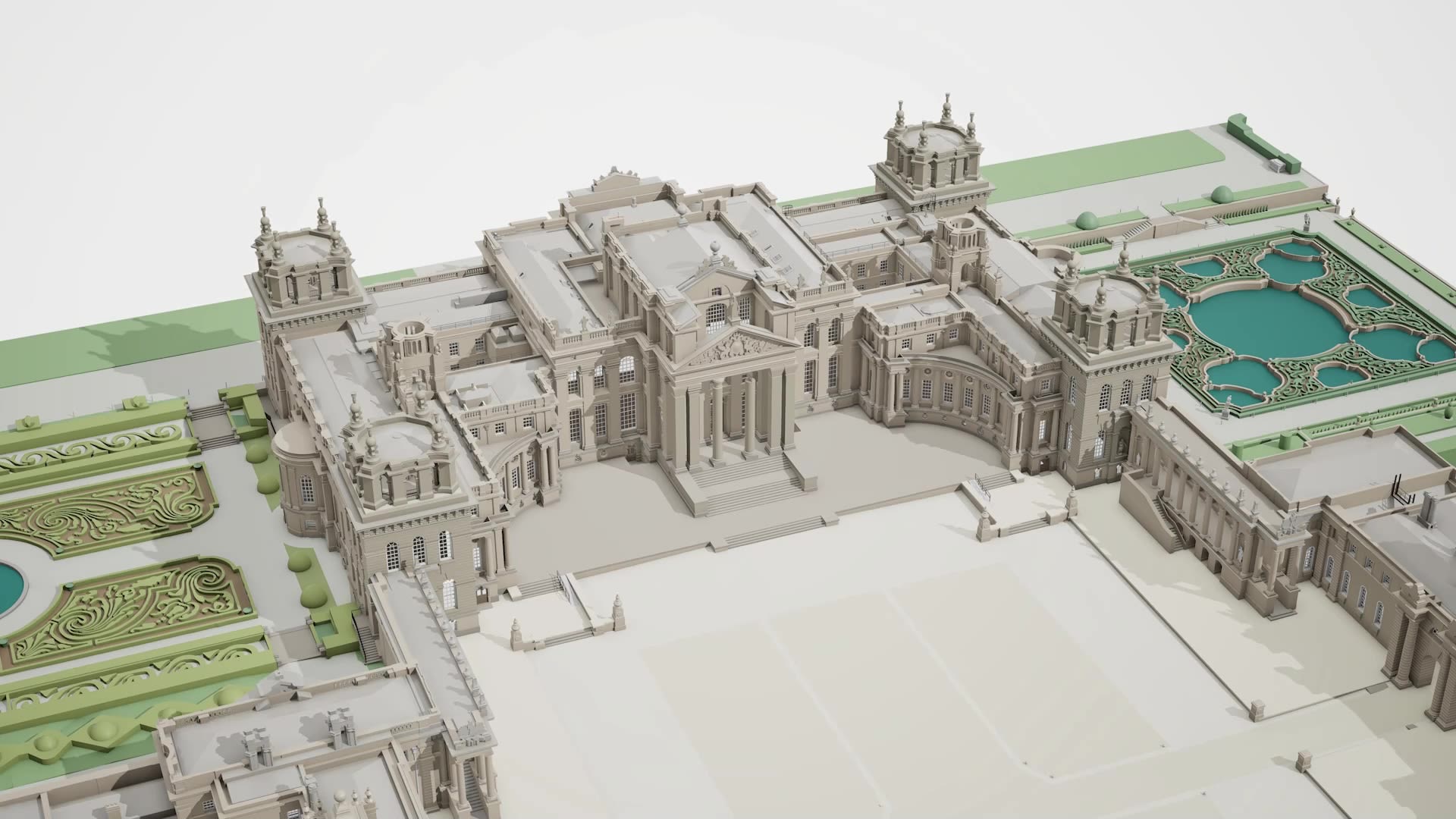
The Digital Twin programme—built on the Cesium platform in collaboration with the University of Oxford and with input from the Heritage Innovation Laboratory Oxford—is progressing from conceptual development into a functional prototype. The model now integrates asset registers, operational datasets and early-stage predictive maintenance capabilities within a unified spatial environment.
In addition to real-time and operational data, the Digital Twin incorporates extensive archival records directly linked to the model. This layer, developed by Clara Saliba, effectively transforms the twin into an interactive gateway to the estate’s historical archive, enabling access to decades of maintenance data alongside machine learning models trained to detect patterns in issues such as stone fall, water ingress and material degradation.
This capability has been enabled through the large-scale digitisation and structuring of previously unindexed archival material. By combining OCR and LLM-based workflows, narrative records have been converted into structured datasets, making them suitable for visualisation and advanced analytical use.
The integration of these datasets underpins the development of predictive models aimed at supporting more proactive maintenance strategies and improved resource efficiency. While still maturing, the system is continuously learning from new inputs, with the expectation that predictive accuracy will improve over time, enabling earlier intervention and reduced reliance on reactive maintenance approaches.
This work forms part of a broader transition towards a more integrated and intelligent estate model. Future development will focus on increasing the fidelity of the twin, extending coverage to detailed architectural features and interior assets—potentially exceeding 50,000 individual elements—and incorporating regular drone-based surveys to provide near real-time updates on building condition and change over time.

IoT Sensor Network ('The Smart Estate')
Estate-wide monitoring using smart sensors

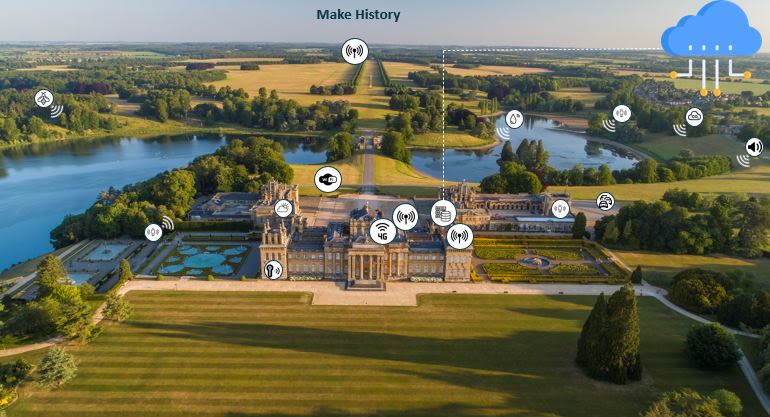
The estate-wide Internet of Things (IoT) network continues to expand in both scale and analytical capability. Beyond data collection, the focus is increasingly on extracting actionable insight—enabling the ‘Smart Estate’ to identify inefficiencies across energy, heat and water systems. The introduction of agentic AI to interpret sensor data is expected to further enhance our ability to optimise resource consumption and drive more autonomous operational decision-making.
The network supports a diverse set of use cases across the estate. Within the Palace, sensors monitor environmental conditions critical to conservation, including temperature, humidity and light exposure. In ecological zones such as Weaveley Solar Farm, instrumentation captures biodiversity and soil data. Operationally, the same infrastructure underpins visitor flow analysis, energy optimisation and environmental control across facilities, providing a unified sensing layer for both heritage and commercial contexts.
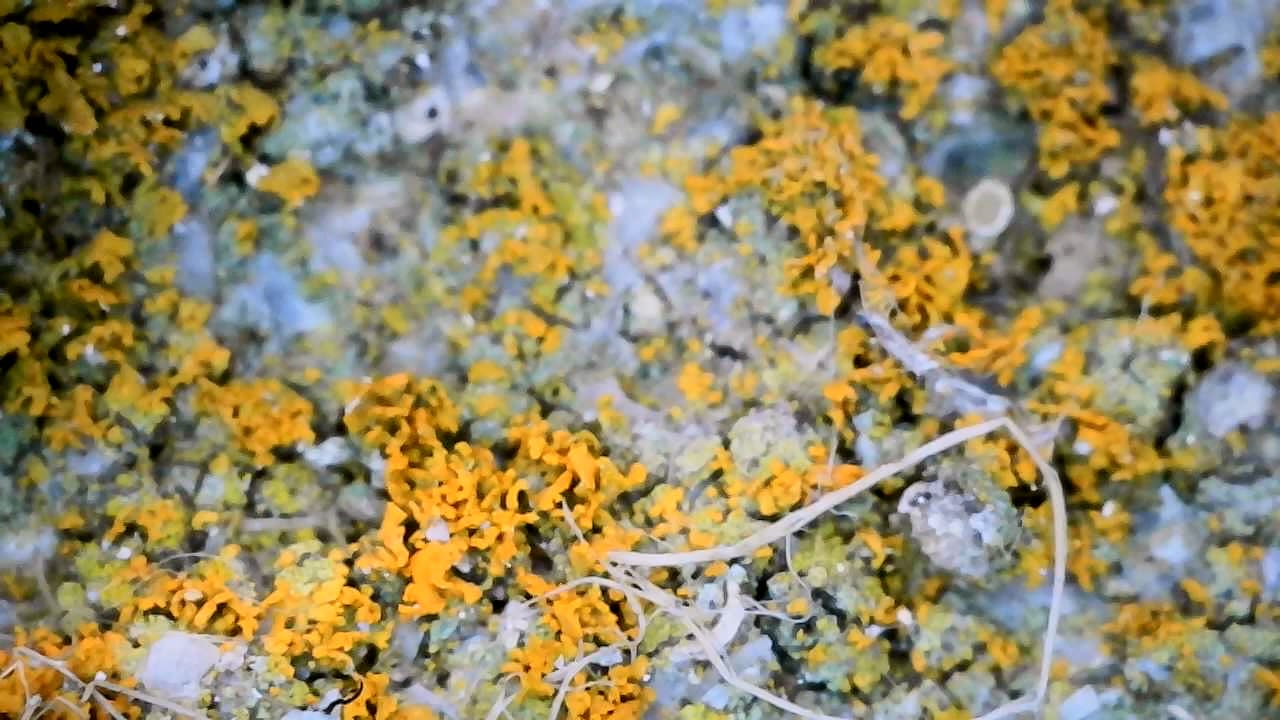
A particularly applied use case has been the proactive management of mould within estate buildings. By continuously monitoring temperature, humidity and CO₂ levels, the system enables early identification of conditions conducive to mould formation, allowing intervention before structural damage or health risks emerge. The extension of this capability into residential properties—through the deployment of sensors and gateways—also provides tenants with greater visibility and control over their indoor environments.
System Schematic
IoT Controller Based Solution

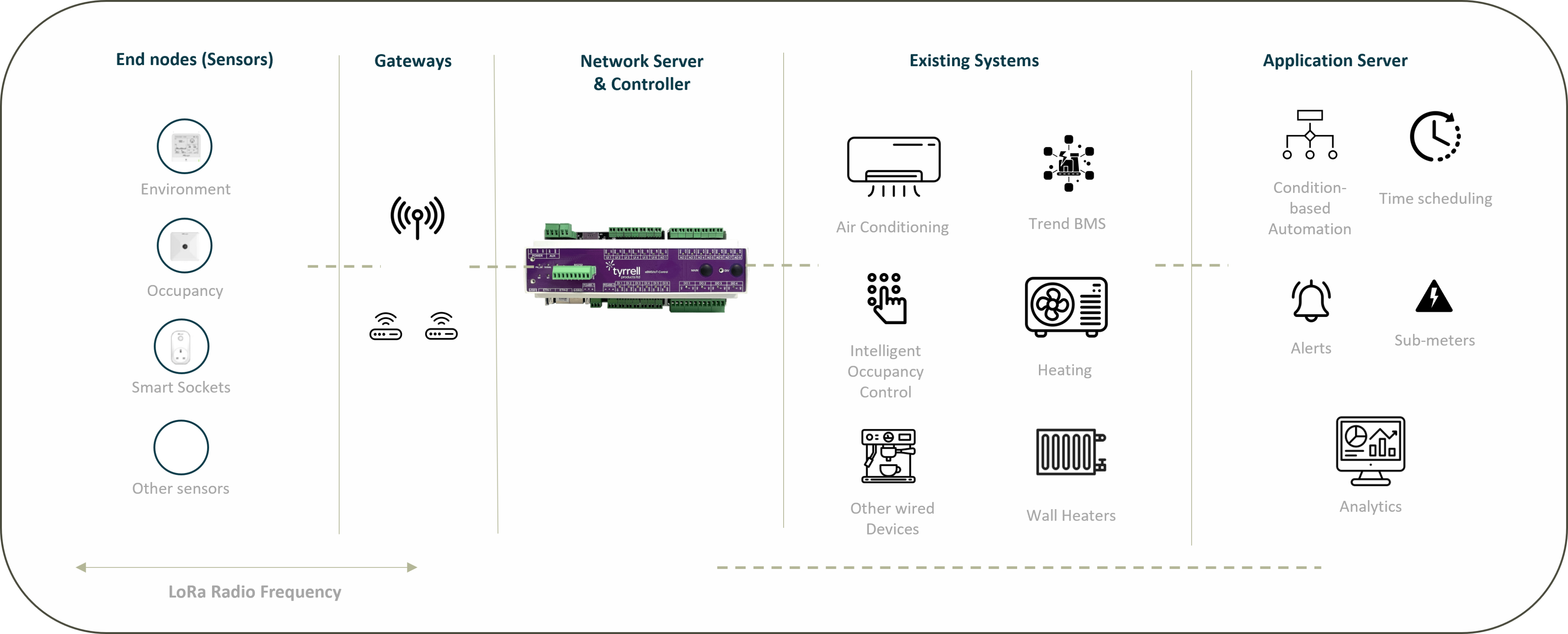
The IoT infrastructure is increasingly integrated with control systems, including the Building Management System (BMS), enabling a transition from passive monitoring to active optimisation. Real-time environmental data is used to dynamically adjust heating, ventilation and lighting in response to actual conditions and usage patterns, rather than fixed schedules. This approach reduces unnecessary energy consumption while maintaining appropriate conditions for both visitor experience and conservation. Collectively, these measures support an estate-wide target of achieving a 20% reduction in energy use, demonstrating the viability of applying advanced control strategies within a heritage context.
Protecting Our Waterways: Smart Monitoring for Cleaner Rivers
In parallel, the monitoring framework is being applied to environmental risk management, including the tracking of pollutants associated with sewage discharge and agricultural runoff. This data-driven approach supports more informed decision-making in relation to water quality, conservation and long-term environmental stewardship.
As part of the SBRI Enhanced Clean Air Innovation Trials, the team is working with Lightricity to deploy battery-free indoor air quality sensors powered by high-efficiency photovoltaic technology. These devices are being installed across selected tenanted properties, with a focus on translating complex environmental data into accessible, actionable insights. This collaboration demonstrates how low-impact sensing technologies can be integrated into heritage settings to improve living conditions while reducing maintenance overhead.
IoT Innovation: Enhanced Clean Air Innovation Trials
As part of the SBRI Enhanced Clean Air Innovation Trials, our Innovation Team is working with Lightricity to revolutionise indoor air quality monitoring in heritage properties. Working with Lightricity's battery-free sensors, powered by high-efficiency indoor photovoltaic technology, we're deploying these devices throughout selected tenanted properties across our estate. Our team is leveraging our expertise in data visualisation and user engagement to transform complex environmental data into accessible, actionable insights for our tenants. This innovative approach not only helps residents understand and improve their indoor air quality but also demonstrates how historic properties can embrace sustainable technology to enhance living conditions. By combining Lightricity's cutting-edge sensor technology with our experience in heritage property management, we have established new standards in environmental monitoring that enhance living conditions while reducing long-term maintenance costs.
Taken together, these initiatives represent an initial phase in a broader strategy centred on water stewardship and environmental management. By combining IoT infrastructure with active intervention and open data principles, the programme aims to support the long-term health of the estate’s natural assets while promoting transparency and collaborative approaches to conservation.
RFID Returnable Cups
Eradicating single-use cups

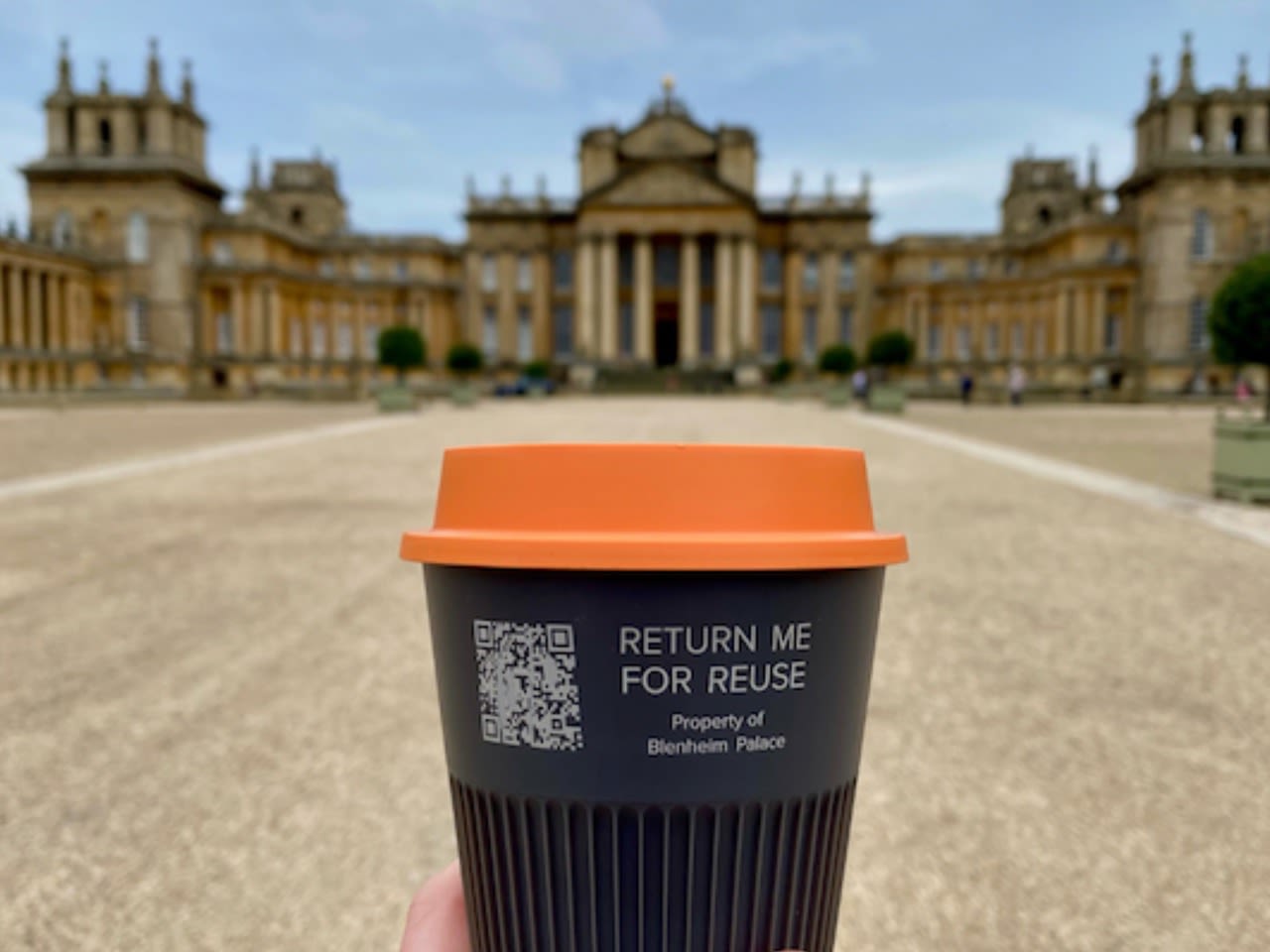
In partnership with Reuniverse, Mastercard and the Eden Project, Blenheim Palace continues to advance more sustainable visitor operations through the deployment of a returnable cup system. The initiative has removed the need for over 300,000 single-use cups annually at Blenheim, delivering a measurable reduction in waste and associated carbon emissions.
The model integrates sustainability objectives with digital infrastructure, utilising Mastercard Send to enable near-instant deposit returns via smart vending machines. With more than 5,000 cups in active circulation and a return rate of approximately 83%, the system has already avoided in excess of 1,150 kg of CO₂ emissions. The associated digital platform also supports user engagement and contributes funding towards further environmental initiatives.
This programme forms part of Blenheim’s broader pathway towards achieving carbon neutrality by 2027. Its demonstrated impact and operational viability have attracted interest from major UK retailers and sector stakeholders, positioning the estate as a credible testbed for scalable, technology-enabled sustainability solutions within the visitor economy.
Acknowledgements
Thank you




We owe great thanks for these advances to a wide network of collaborators. At the University of Oxford, Dr Sterling Mackinnon, Professor Heather Viles and Kenta Sayama have invaluably shaped the Digital Twin programme. At Oxford Brookes, Drs Paul Jackson, Matthias Rolf and Diana Limburg have greatly helped advancing the SmartVMS system. The CULTURATI project has been exceptionally led by Dr Eda Gürel and her colleagues at Bilkent University, their leadership being crucial to bringing Archie to its final stages.
Additionally, Carmen Bou Dargham and Harry Clemence have worked tirelessly to develop the architectural and front-end aspects of the Digital Twin respectively. We are also grateful to Cesium for supporting the build of the 3D environment using their platform.
Our energy optimisation work has been strengthened through collaboration with the team at Tyrrell. Their work has helped convert data into practical building controls, supporting cost reduction and progress towards our Net Zero commitments.
We also thank Mastercard and re-universe for their continued support of the Reusable Cup Scheme.
We are grateful to the Blenheim Innovation Team, whose commitment and expertise underpin our work. Tawhid Shahrior, Clara Saliba, Max Caminow, Kai Hall, Vijay Hare, and many others have brought determination and creativity to all these initiatives.
Finally, David Green is honoured to have been listed once again among Computing’s Top 100 Most Influential Figures in UK IT for 2025. Recognition by such a respected publication reflects the collective work of the teams, partners and collaborators involved in these projects, and we are grateful for the continued support that makes this work possible.


 Built with Shorthand